
Identities Abroad
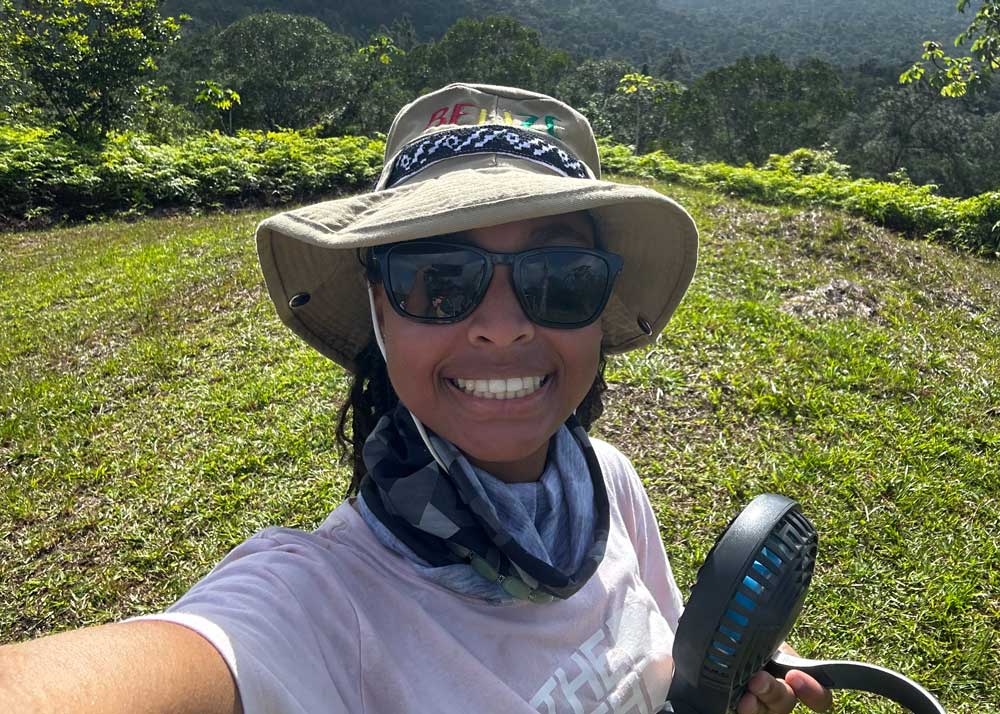
“Studying abroad allowed me to visit someplace new and learn about new cultures. As a future healthcare professional, and a woman of color, this experience will remind me of what it means to be involved in a diverse community and the impact that it will have on others.” Brianna Berry, Biology, La Democracia, Belize
Considering your identity abroad is an especially important step in planning for study abroad. While abroad, you will have the chance to interact with locals from different backgrounds than yourself, which may lead to cultural misunderstandings. We recommend investing time to learn about your host country prior to departing. In addition, it is worth exploring how aspects of your own identity might be observed in another cultural context. Below are questions to think about when reflecting on your personal identities and study abroad:
- How do you identify and how might others choose to identify you at home?
- What parts of your identity are more visible than others?
- How do your identities intersect with one another?
- How might individuals from different cultural backgrounds perceive your various identities? In what ways might the host country's history, political structures, or societal norms influence how its culture understands or responds to identities that differ from their own?
Taking the time to reflect on the questions above while also learning about local social norms, customs, and practices will aid you in navigating how elements of your unique identities might be perceived and treated during your time abroad.
First-Generation
Are you the first person in your family to attend college or university in the U.S.? First-generation college students are often in a unique position to legitimize studying abroad, as they are already working hard to create paths for themselves in new environments. Please utilize the resources below to guide you in the study abroad process and remember to reach out to your Study Abroad Advisor if you have any questions!
- First-Generation College Students
- A Student Guide to Study Abroad
- Why Study Abroad?
- Taking Advantage of Resources as a First-Generation College Student
- Budgeting as a First-Generation College Student
- The Grace and Guilt in Studying Abroad
- If you receive the Pell grant, you likely are eligible for the Gilman Scholarship to help fund your program abroad. Reach out to your study abroad advisor to learn how to apply, or visit our scholarships page.
Heritage Seekers
For some students, studying abroad might be an empowering opportunity to learn about their ancestry and connect with their cultural roots and history. For heritage seekers, you might begin your study abroad journey on a high, expecting to find a sense of home, validation, and familiarity during your program. This experience will likely have many highs and lows, so please use the resources below to prepare accordingly and contact the Study Abroad Office if you want to further discuss going abroad as a heritage seeker.
- Tips for Heritage Seekers Traveling Abroad
- Exploring my Mexican Identity in Mexico
- Asian in America, American in Asia
LGBTQIA+ Students
Studying abroad as a member of the LGBTQIA+ community can be an exciting time for you to explore your identities in a new setting. Depending upon where you travel, you may find a more welcoming environment than what you are used to in the U.S. LGBTQIA+ students also sometimes share that they feel empowered to be their authentic selves for the first time in their lives, thanks to the greater sense of independence that studying abroad can afford. However, definitions and norms pertaining to your sexual orientation might be cultural and viewed differently from country to country. It is important to learn how your sexual orientation and identity is politicized, understood, and treated in your host country. The Council on International Education Exchange recommends doing some pre-program planning to ensure your overall wellbeing and safety. In addition, consider the following:
- Does your identity conflict with your host country's laws, social norms, culture, and traditions?
- Who will be your support network while you are away from your loved ones?
- Is there a local LGBTQIA+ community in your host city?
- Are there any safety considerations that you might need to keep in mind?
- What identity-specific resources exist for you in your host country?
For Trans, Non-Binary, and Gender-Fluid Students
It is extremely important that students who identify as Trans, non-binary, and/or gender fluid understand their rights in the country they are traveling to. Some very important things to research and understand prior to departing for your program are:
- Are you on any gender-affirming medications? If so, make sure to research if those drugs are legal in the country where you plan to study abroad. Check the destinations embassy and reference the Centers for Disease Control website.
- Is the sex marker on your passport consistent with your gender identify? If not, is your gender recognized in the country you are traveling to?
- Have you legally changed your name? If so, is this change reflected on your travel documents?
- Have you researched legislation abroad regarding Trans and LGBTQ+ issues?
- Does your program offer gender-inclusive housing?
Gender Inclusive Housing
The Department of Residence Life and the Study Abroad Office strive to create and promote a safe, affirming, and inclusive community for all students living in university-arranged housing. For that reason, Loyola-managed programs such as the Rome Center and faculty-led programs offer gender inclusive housing options through our housing application process, where students may request to share a room with students of any gender, gender identity, gender expression, or sex. This option was created to better meet the needs of our gender-nonconforming, transgender, non-binary, gender queer, gender fluid, and transitioning students. If you are interested in living in a gender inclusive space with either roommates of your choosing, or with other students who appreciate and respect people with the above identities and lived experiences, you will indicate so in your study abroad application. A member of the study abroad team will outreach to you directly to discuss your request.
Additionally, many of our affiliate and exchange/direct-enroll partners offer gender inclusive housing as well. If you would like to request a private living arrangement or an accommodation, please make sure you share that information as soon as possible with your program partner and study abroad advisor so they can facilitate your request to the best of their ability. If gender inclusive housing is not available, and/or you would like to request a single accommodation, there may be a supplemental fee associated with a private living arrangement. Discussing which programs offer housing options that meet your needs is an important topic to bring up early on during the study abroad program advising.
Please reference some of the resources below to help you in the study abroad process. In addition, reach out to your study abroad advisor to further discuss anything.
Resources:
- Jan Kieling Rainbow Scholarship
- Kacenga-Cladera Family Rainbow Scholarship
- The Fund for Education Abroad's Rainbow Scholarship
- Rainbow SIG
- LQBTQ+ Students Abroad
- International Lesbian, Gay, Bisexual, Trans, and Intersex Association
- Outright International
- Transgender Law Center
- National Center for Transgender Equality
- Unpacked: A Study Abroad Guide for Students Like me
- Being Trans Abroad
- Ni el, ni ella: Being Nonbinary in Spain
- Queer Life in the First Country to Legalize Same-Sex Marriage
- ILGA World Map
- Feel free to review our scholarships page to learn more about LGBTQIA+ scholarships
Racially, Ethnically, or Religiously Diverse Students
Students from diverse racial and ethnic backgrounds are encouraged to study abroad. Racial and ethnic relations vary by country and are heavily rooted in the history, politics, and culture of your destination. Some find that studying abroad is an opportunity to explore parts of their religious, ethnic, or racial identity in a new context. Many heritage students decide to pursue study abroad in a destination with familial ties. People may categorize and interpret your race, ethnicity, and other identity attributes quite differently from what you are used to. While you are abroad, you may be a part of a racial or ethnic majority/minority for the first time in your life and/or locals might view you as being a part of a group that, while in the United States, you do not identify with. Studying abroad may require you to think about your racial and ethnic identity in a new way. For example, this might look like your identity as an American being viewed first, and your racial and ethnic identity second. In some instances, you might even be misidentified by the local culture.
In addition, many students choose to explore their faith abroad. We recommend that if a student has a particular religious practice or routine, they continue to do the things that they are accustomed to in the U.S. abroad as well.
Resources:
- Unpacked: A Study Abroad Guide for Students Like me
- Diversity Abroad Student Perspectives: The Benefits of Being a Minority Abroad
- Diversity Abroad Student Perspectives: Discovering the African Diaspora After Studying Abroad
- Country-Specific Identity Resources
- Melanin in Milan: Finding My People Abroad
- Black Girls Guide to Solo Traveling
- Traveling Through Japan: Being Black Internationally
- Muslims Abroad
- Kahal: Your Jewish Community Abroad
DACA and DACAmented Students
Undocumented and DACAmented students are encouraged to consult with an experienced and vetted attorney before pursuing study abroad. The Illinois Coalition for Immigrant and Refugee Rights has this list of non-profit organizations that provide low cost or pro bono legal counsel for Chicago area immigrants. We at the Study Abroad Office will do our very best to help undocumented and DACAmented students find opportunities for study and research at U.S. local sites; contact us for support!
Veterans
Students who want to use their VA benefits to study abroad should be aware of the different cases:
- Students wanting to study abroad at Loyola's Rome campus may utilize their benefits as normal and should follow the same certification process that they follow while attending in Chicago. These steps can be found on MVSS's website.
- Students wanting to study abroad in a program hosted by another university may have the ability to utilize their VA benefits and should connect with host university's School Certifying Official(s) for more information. For assistance, please contact the Military Veteran Student Services Office, veterarns@luc.edu.
- Students are not able to utilize their VA benefits for study abroad purposes if utilizing a third party company.
Loyola is a proud member of Diversity Abroad. Students can also create a free Diversity Abroad account and begin exploring the many resources they have to offer. We have linked a few of their resources throughout this page for you to start with!
Some of our partners have great resources for students as well! Feel free to check out some of them below! No matter what program you go on, these resources are for all students.
- Student Identity Blogs
- Country-Specific Identity Resources
- Navigating Identity & Diversity Abroad
- Social Identity Resources
- Equity & Inclusion Self Assessment
- Underrepresented Communities
- Students with Visible and Invisible Disabilities
- Resources for Diversity, Inclusion, & Accessibility Abroad
- BeGlobalii Articles & Resources
Considering your identity abroad is an especially important step in planning for study abroad. While abroad, you will have the chance to interact with locals from different backgrounds than yourself, which may lead to cultural misunderstandings. We recommend investing time to learn about your host country prior to departing. In addition, it is worth exploring how aspects of your own identity might be observed in another cultural context. Below are questions to think about when reflecting on your personal identities and study abroad:
- How do you identify and how might others choose to identify you at home?
- What parts of your identity are more visible than others?
- How do your identities intersect with one another?
- How might individuals from different cultural backgrounds perceive your various identities? In what ways might the host country's history, political structures, or societal norms influence how its culture understands or responds to identities that differ from their own?
Taking the time to reflect on the questions above while also learning about local social norms, customs, and practices will aid you in navigating how elements of your unique identities might be perceived and treated during your time abroad.
First-Generation
Are you the first person in your family to attend college or university in the U.S.? First-generation college students are often in a unique position to legitimize studying abroad, as they are already working hard to create paths for themselves in new environments. Please utilize the resources below to guide you in the study abroad process and remember to reach out to your Study Abroad Advisor if you have any questions!
- First-Generation College Students
- A Student Guide to Study Abroad
- Why Study Abroad?
- Taking Advantage of Resources as a First-Generation College Student
- Budgeting as a First-Generation College Student
- The Grace and Guilt in Studying Abroad
- If you receive the Pell grant, you likely are eligible for the Gilman Scholarship to help fund your program abroad. Reach out to your study abroad advisor to learn how to apply, or visit our scholarships page.
Heritage Seekers
For some students, studying abroad might be an empowering opportunity to learn about their ancestry and connect with their cultural roots and history. For heritage seekers, you might begin your study abroad journey on a high, expecting to find a sense of home, validation, and familiarity during your program. This experience will likely have many highs and lows, so please use the resources below to prepare accordingly and contact the Study Abroad Office if you want to further discuss going abroad as a heritage seeker.
- Tips for Heritage Seekers Traveling Abroad
- Exploring my Mexican Identity in Mexico
- Asian in America, American in Asia
LGBTQIA+ Students
Studying abroad as a member of the LGBTQIA+ community can be an exciting time for you to explore your identities in a new setting. Depending upon where you travel, you may find a more welcoming environment than what you are used to in the U.S. LGBTQIA+ students also sometimes share that they feel empowered to be their authentic selves for the first time in their lives, thanks to the greater sense of independence that studying abroad can afford. However, definitions and norms pertaining to your sexual orientation might be cultural and viewed differently from country to country. It is important to learn how your sexual orientation and identity is politicized, understood, and treated in your host country. The Council on International Education Exchange recommends doing some pre-program planning to ensure your overall wellbeing and safety. In addition, consider the following:
- Does your identity conflict with your host country's laws, social norms, culture, and traditions?
- Who will be your support network while you are away from your loved ones?
- Is there a local LGBTQIA+ community in your host city?
- Are there any safety considerations that you might need to keep in mind?
- What identity-specific resources exist for you in your host country?
For Trans, Non-Binary, and Gender-Fluid Students
It is extremely important that students who identify as Trans, non-binary, and/or gender fluid understand their rights in the country they are traveling to. Some very important things to research and understand prior to departing for your program are:
- Are you on any gender-affirming medications? If so, make sure to research if those drugs are legal in the country where you plan to study abroad. Check the destinations embassy and reference the Centers for Disease Control website.
- Is the sex marker on your passport consistent with your gender identify? If not, is your gender recognized in the country you are traveling to?
- Have you legally changed your name? If so, is this change reflected on your travel documents?
- Have you researched legislation abroad regarding Trans and LGBTQ+ issues?
- Does your program offer gender-inclusive housing?
Gender Inclusive Housing
The Department of Residence Life and the Study Abroad Office strive to create and promote a safe, affirming, and inclusive community for all students living in university-arranged housing. For that reason, Loyola-managed programs such as the Rome Center and faculty-led programs offer gender inclusive housing options through our housing application process, where students may request to share a room with students of any gender, gender identity, gender expression, or sex. This option was created to better meet the needs of our gender-nonconforming, transgender, non-binary, gender queer, gender fluid, and transitioning students. If you are interested in living in a gender inclusive space with either roommates of your choosing, or with other students who appreciate and respect people with the above identities and lived experiences, you will indicate so in your study abroad application. A member of the study abroad team will outreach to you directly to discuss your request.
Additionally, many of our affiliate and exchange/direct-enroll partners offer gender inclusive housing as well. If you would like to request a private living arrangement or an accommodation, please make sure you share that information as soon as possible with your program partner and study abroad advisor so they can facilitate your request to the best of their ability. If gender inclusive housing is not available, and/or you would like to request a single accommodation, there may be a supplemental fee associated with a private living arrangement. Discussing which programs offer housing options that meet your needs is an important topic to bring up early on during the study abroad program advising.
Please reference some of the resources below to help you in the study abroad process. In addition, reach out to your study abroad advisor to further discuss anything.
Resources:
- Jan Kieling Rainbow Scholarship
- Kacenga-Cladera Family Rainbow Scholarship
- The Fund for Education Abroad's Rainbow Scholarship
- Rainbow SIG
- LQBTQ+ Students Abroad
- International Lesbian, Gay, Bisexual, Trans, and Intersex Association
- Outright International
- Transgender Law Center
- National Center for Transgender Equality
- Unpacked: A Study Abroad Guide for Students Like me
- Being Trans Abroad
- Ni el, ni ella: Being Nonbinary in Spain
- Queer Life in the First Country to Legalize Same-Sex Marriage
- ILGA World Map
- Feel free to review our scholarships page to learn more about LGBTQIA+ scholarships
Racially, Ethnically, or Religiously Diverse Students
Students from diverse racial and ethnic backgrounds are encouraged to study abroad. Racial and ethnic relations vary by country and are heavily rooted in the history, politics, and culture of your destination. Some find that studying abroad is an opportunity to explore parts of their religious, ethnic, or racial identity in a new context. Many heritage students decide to pursue study abroad in a destination with familial ties. People may categorize and interpret your race, ethnicity, and other identity attributes quite differently from what you are used to. While you are abroad, you may be a part of a racial or ethnic majority/minority for the first time in your life and/or locals might view you as being a part of a group that, while in the United States, you do not identify with. Studying abroad may require you to think about your racial and ethnic identity in a new way. For example, this might look like your identity as an American being viewed first, and your racial and ethnic identity second. In some instances, you might even be misidentified by the local culture.
In addition, many students choose to explore their faith abroad. We recommend that if a student has a particular religious practice or routine, they continue to do the things that they are accustomed to in the U.S. abroad as well.
Resources:
- Unpacked: A Study Abroad Guide for Students Like me
- Diversity Abroad Student Perspectives: The Benefits of Being a Minority Abroad
- Diversity Abroad Student Perspectives: Discovering the African Diaspora After Studying Abroad
- Country-Specific Identity Resources
- Melanin in Milan: Finding My People Abroad
- Black Girls Guide to Solo Traveling
- Traveling Through Japan: Being Black Internationally
- Muslims Abroad
- Kahal: Your Jewish Community Abroad
DACA and DACAmented Students
Undocumented and DACAmented students are encouraged to consult with an experienced and vetted attorney before pursuing study abroad. The Illinois Coalition for Immigrant and Refugee Rights has this list of non-profit organizations that provide low cost or pro bono legal counsel for Chicago area immigrants. We at the Study Abroad Office will do our very best to help undocumented and DACAmented students find opportunities for study and research at U.S. local sites; contact us for support!
Veterans
Students who want to use their VA benefits to study abroad should be aware of the different cases:
- Students wanting to study abroad at Loyola's Rome campus may utilize their benefits as normal and should follow the same certification process that they follow while attending in Chicago. These steps can be found on MVSS's website.
- Students wanting to study abroad in a program hosted by another university may have the ability to utilize their VA benefits and should connect with host university's School Certifying Official(s) for more information. For assistance, please contact the Military Veteran Student Services Office, veterarns@luc.edu.
- Students are not able to utilize their VA benefits for study abroad purposes if utilizing a third party company.
Loyola is a proud member of Diversity Abroad. Students can also create a free Diversity Abroad account and begin exploring the many resources they have to offer. We have linked a few of their resources throughout this page for you to start with!
Some of our partners have great resources for students as well! Feel free to check out some of them below! No matter what program you go on, these resources are for all students.
- Student Identity Blogs
- Country-Specific Identity Resources
- Navigating Identity & Diversity Abroad
- Social Identity Resources
- Equity & Inclusion Self Assessment
- Underrepresented Communities
- Students with Visible and Invisible Disabilities
- Resources for Diversity, Inclusion, & Accessibility Abroad
- BeGlobalii Articles & Resources